
Registered as an intangible cultural heritage by UNESCO, washoku (Japanese cuisine) is highly regarded worldwide as a healthy food. Many people overseas are also highly interested in washoku. If you have a solid understanding of washoku, you won't panic when asked questions or when you are asked for your opinion.
Here we will explain washoku, Japan's traditional food culture.
Just in case, make sure you understand the different types and characteristics of Japanese cuisine.
What types of Japanese cuisine are there?
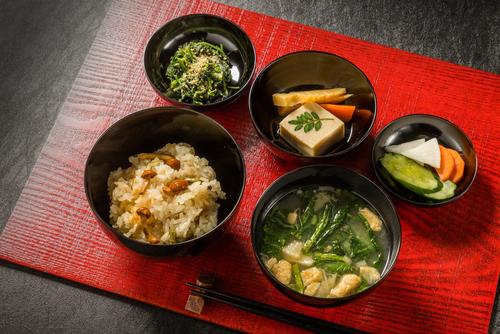
There are several types of Japanese cuisine. First, let's introduce the four basic types.
Grand banquet by the nobles
Daikyo ryori was created during the Heian period as a way for nobles to entertain their guests.
There is a strong Chinese influence, with all dishes placed on one table, and the number of plates must be an even number.
Vegetarian cuisine popularized by Zen Buddhist monks
Shojin ryori is a type of cuisine that uses only plant-based foods such as vegetables, beans, grains, and seaweed. It originated from the religious views that Zen Buddhist monks learned in China during the Heian and Kamakura periods.
Due to the teachings that prohibit killing, meat is not eaten, and it seems that this is also a part of Zen Buddhist training, which involves eating simple meals.
The diverse soybean processing techniques that are still used today can be said to have been developed from this shojin ryori cuisine, which was created through trial and error as a way to obtain protein.
Samurai Hospitality Honzen Cuisine
Honzen cuisine, which originated in the Muromachi period as a way for samurai families to entertain guests, was created by incorporating the ceremonial elements and hospitality of daikyo cuisine with the techniques of shojin ryori.
The way each dish is served on a tray can be said to be the origin of Japanese cuisine.
Before the food section, there is a sake section called Shiki Sankon, and sake is also served during the food section that follows.
Honzen cuisine is originally a cuisine with very strict etiquette and a strong ritual element.
It was often held while watching Noh or Kyogen plays, and it was not uncommon for it to continue all night.
Honzen cuisine fell out of fashion after the Meiji period, and the style used in the Muromachi period is no longer seen today.
Have you ever seen a movie or TV drama where a warlord from the Sengoku period enjoys a drinking party while performing Noh or Kyogen? That drinking party is the very essence of honzen cuisine.
Sen no Rikyu's passion for kaiseki cuisine
Kaiseki cuisine was born during the Azuchi-Momoyama period and is a light meal served before drinking tea in a tea ceremony.
The meal begins with rice and soup, followed by sweets. Each dish is served individually, and is enjoyed by a maximum of five people.
It began when Sen no Rikyu, who valued wabi-sabi, removed the drinking and banquet elements from the tea ceremony.
Characteristics of Japanese cuisine
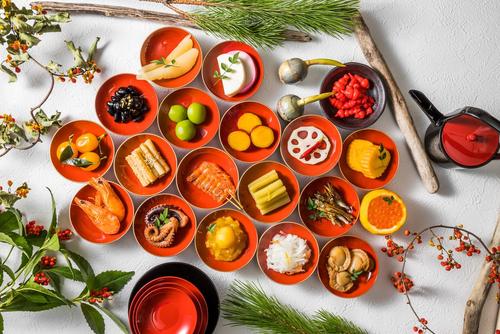
Next, let's take a look at some unique features of Japanese cuisine that we would like people from overseas to know about.
Cooking that makes the most of a variety of fresh ingredients and materials
Japan has four seasons, and the country stretches from north to south, blessed with the sea and mountains. In each region, ingredients suited to the terrain and climate can be harvested, and cooking utensils and methods that make the most of these ingredients are highly developed.
Another major feature is the wide variety of fermented foods available, including miso, soy sauce, natto, pickled vegetables, and sake.
A balanced and healthy diet
The culture of Japanese cuisine is based on making good use of the umami flavor of dashi and avoiding excessive intake of animal fats and oils.
Even among developed countries, the percentage of people suffering from obesity is very low, and it can be said that Japanese food culture is also a factor in Japan being the world's longest-living country.
Expressing the beauty of seasonal ingredients and the four seasons
Enjoying seasonal ingredients is a natural part of life in Japan.
In addition to the ingredients, dishes are decorated with seasonal leaves and flowers, and tableware and furnishings are used that match the season, allowing you to enjoy your meal to the fullest while savoring the season, which is a culture unique to Japanese cuisine.
The relationship between annual events and cuisine
Japanese food culture is strongly linked to annual events.
We enjoy rice porridge with seven herbs during the New Year's feast, bean throwing on Setsubun, and chirashi sushi on the Girls' Festival.
In spring, there are cherry blossom viewing dumplings, kashiwamochi and chimaki for Boys' Festival, eel for Doyo no Ushi no Hi, and ohagi and botamochi for the equinox.
In Japan, food and annual events are closely linked, creating memories for everyone, such as eating rice dumplings during moon viewing and toshikoshi soba noodles on New Year's Eve.
Washoku cuisine registered as a UNESCO intangible cultural heritage
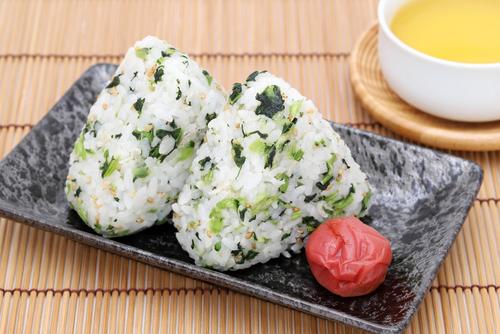
In 2013, "washoku" was registered as a UNESCO Intangible Cultural Heritage.
This does not refer to a specific type of Japanese food, but rather to the culture of Japanese cuisine as a whole, which embodies the Japanese spirit of respect for nature and social customs.
In modern Japan, the Japanese food culture mentioned in the previous section is fading away.
When busy days continue, people tend to order takeout or eat out more often, and since making dashi stock using kelp and bonito flakes is a lot of work, many people probably feel like they are eating less Japanese food at home.
It's great that it's convenient, but it also feels a little lonely.
The UNESCO Intangible Cultural Heritage aims to preserve and protect culture.
With washoku being registered as a UNESCO Intangible Cultural Heritage, perhaps we Japanese need to once again understand the need to protect washoku culture.
summary
Washoku has developed over history, and various types of cuisine have been created, including "daikyo ryori" (dinner fare) for entertaining nobles, "shojin ryori" (vegetarian vegetarian cuisine) for Zen monks, "honzen ryori" (hospitality) for samurai, and "kaiseki ryori" (kaiseki cuisine) for the tea ceremony.
Washoku is characterized by its diverse ingredients and cooking methods that reflect the four seasons and terrain of Japan. Its well-balanced and healthy diet is evidenced by the fact that it reduces the risk of obesity and a shortened lifespan.
One of the wonderful things about Japanese cuisine is that it expresses the beauty of each season on the dinner table. Japanese cuisine is also closely related to annual events such as New Year's and seasonal festivals.
In 2013, washoku (traditional Japanese cuisine) was registered as an intangible cultural heritage by UNESCO. We must once again recognize the wonder of washoku and do our best to preserve this culture.